
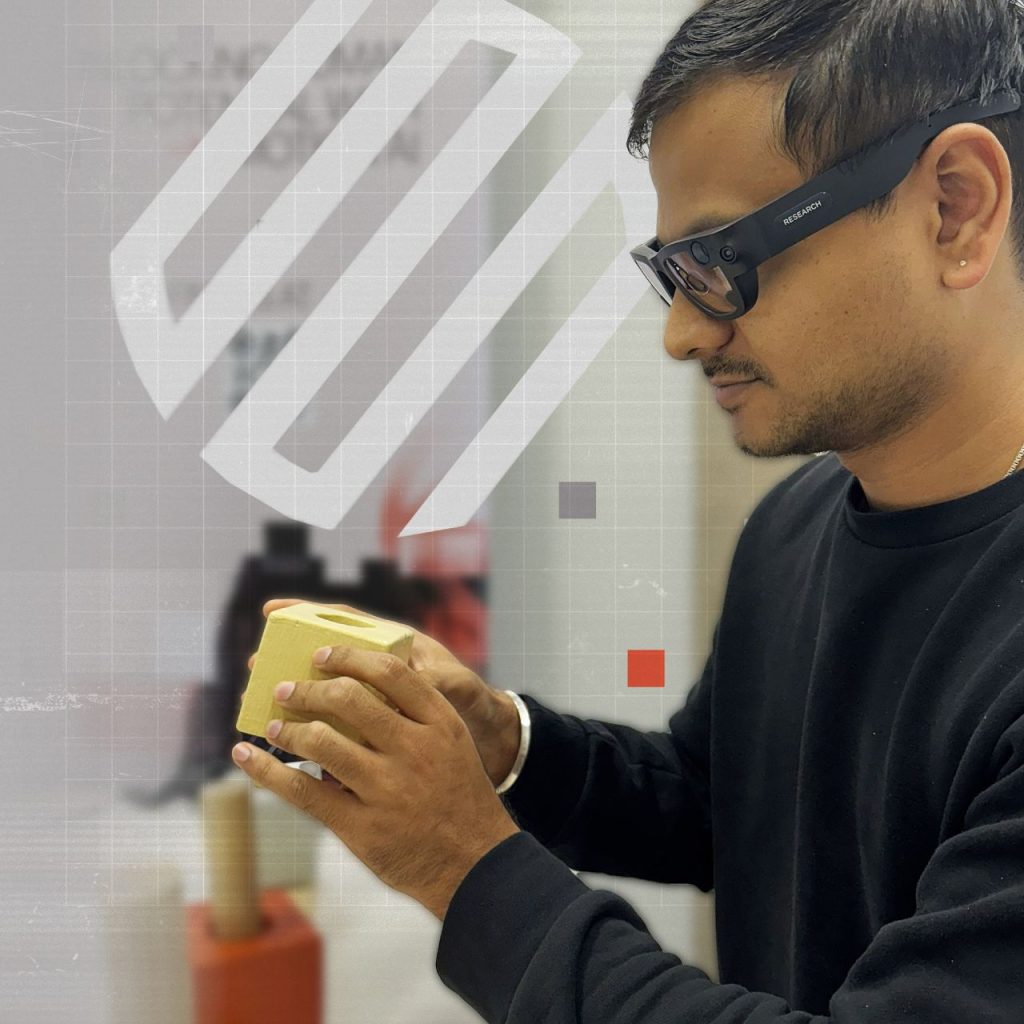
Paid research sessions in Exeter are now open for participants interested in taking part in innovative product development using wearable technology.
Sessions will run in February, with further dates to be added in the coming months. Spots are limited. Express your interest and our research team will be in touch:
You’ll be helping us better understand how people see, think and make decisions through the use of advanced eye-tracking glasses, Meta Aria. Our research aims to support improvements in safety, mental health and training in sectors such as aviation, defence, sport and healthcare.
What the research session involves
During your session you will wear a lightweight pair of eye-tracking glasses while completing a series of activities. Each session will take around 30 to 45 minutes.
Who can take part
To be eligible, you must:
- Be aged 18 or over
- Be able to travel to one of the locations listed above
- If you normally wear glasses, you’ll need to be able to wear contact lenses
What you will receive
Participants will receive £50 for taking part. If you successfully refer someone else to participate you will receive a £5 referral bonus, up to a maximum of five referrals.
How to get involved
Spaces are limited, so don’t miss out. Use the button below to contact our research team
Frequently Asked Questions
What is eye-tracking research?
Eye-tracking research uses specialist glasses to measure where you look, how your eyes move and how you respond to different situations. It helps us understand decision-making, attention and perception in a range of environments.
Will the study be uncomfortable?
The study is non-invasive and does not involve any physical discomfort.
Do I need any special skills or experience?
No previous experience is required. We welcome participants from all backgrounds, as long as you meet the eligibility criteria.
How will I receive payment?
Participants will receive £50. An additional £5 for each successful referral, max of five referrals per participant.
Can I take part if I wear glasses?
For the most accurate results we recommend wearing contact lenses on the day, as glasses can cause reflections and may partially cover your eyes effecting the results of the testing.


