
Cineon secures world-first CAA approval for VR pilot walkaround trainer
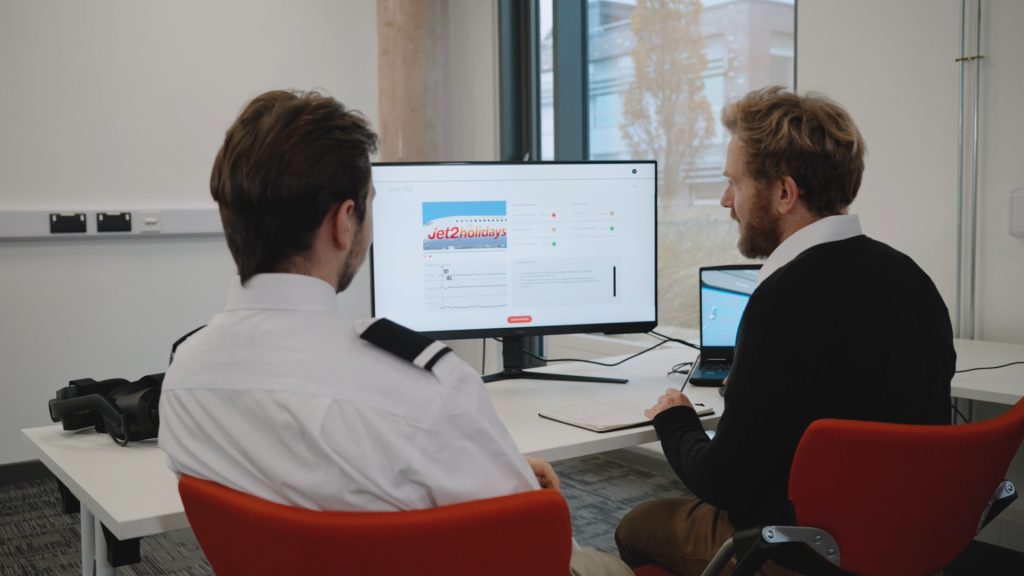
Cineon, a leader in AI, immersive technology and eye-tracking for training and assessment, has gained world-first CAA approval for TACET Walkaround.
Introducing Cineon’s Empathic Learning Engine (ELE) Dashboard
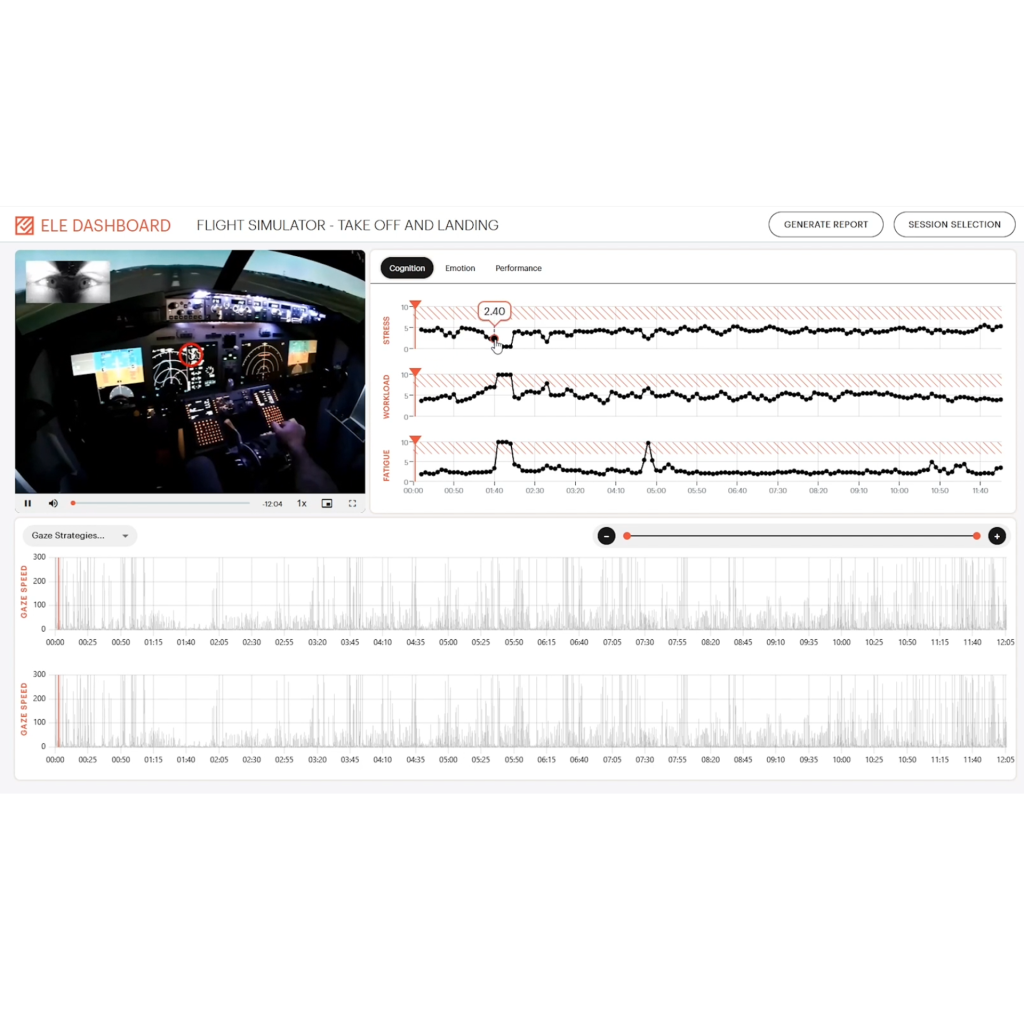
After over 25,000 hours of research into eye movements and human performance, we are proud to bring the Empathic Learning Engine (ELE) to the web. ELE transforms eye-tracking and movement data into actionable insights for developers, researchers and organisations.
Testing different eye trackers in the wild
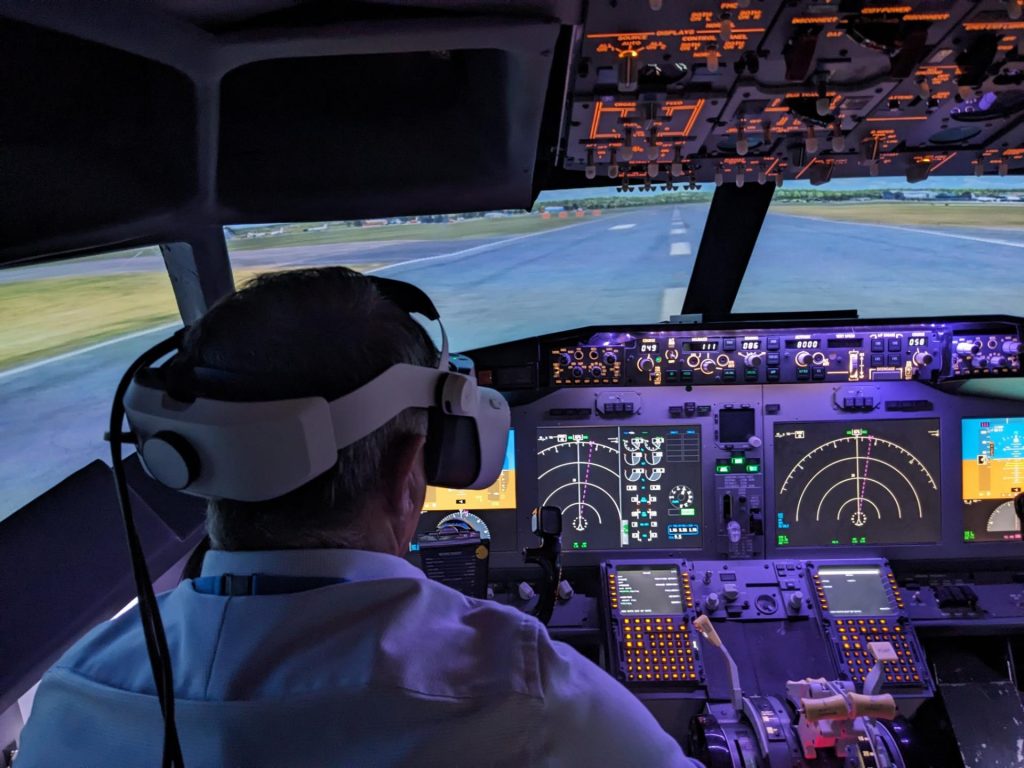
At Cineon, our goal is to build training systems that understand human cognition and adapt to it in real time. We do this through eye tracking – using gaze behaviour to infer cognitive state during training. But generating high-quality data alone isn’t enough. For cognitive state monitoring to be truly useful in the real world, […]
Automatically Adapting to Stress: Eye-Tracking in Virtual Training Systems

Stress and performance are closely intertwined. In small, controlled doses, stress can sharpen our attention and push us to perform at our best. But once stress crosses a certain threshold, it can become counterproductive, leading to anxiety, diminished focus and disrupted decision-making. Research has long explored this delicate balance, often visualised as an inverted-U relationship. […]
Pilot Decision-Making Under Pressure: How to Train for the Unexpected

Decision-making under pressure is one of the most critical pilot competencies. Traditional frameworks such as DODAR and FORDEC provide useful structure, but they cannot reveal the hidden cognitive and crew processes that drive real-world decisions in high-stress environments. TACET bridges this gap by combining simulator data with eye-tracking, making decision-making measurable, visible, and coachable. This […]
Workload Management for Pilots: Staying in Control Under Pressure
Pilot workload management regulates the cognitive capacity that underpins all other competencies. Without it, situational awareness, communication, and decision-making can rapidly degrade under pressure. TACET makes workload visible, enabling crews to anticipate peaks, distribute tasks effectively, and maintain control even in the busiest moments. In high-pressure aviation environments, managing workload is not just about efficiency, […]
Leadership in the Cockpit: Why Teamwork is Central to Flight Safety
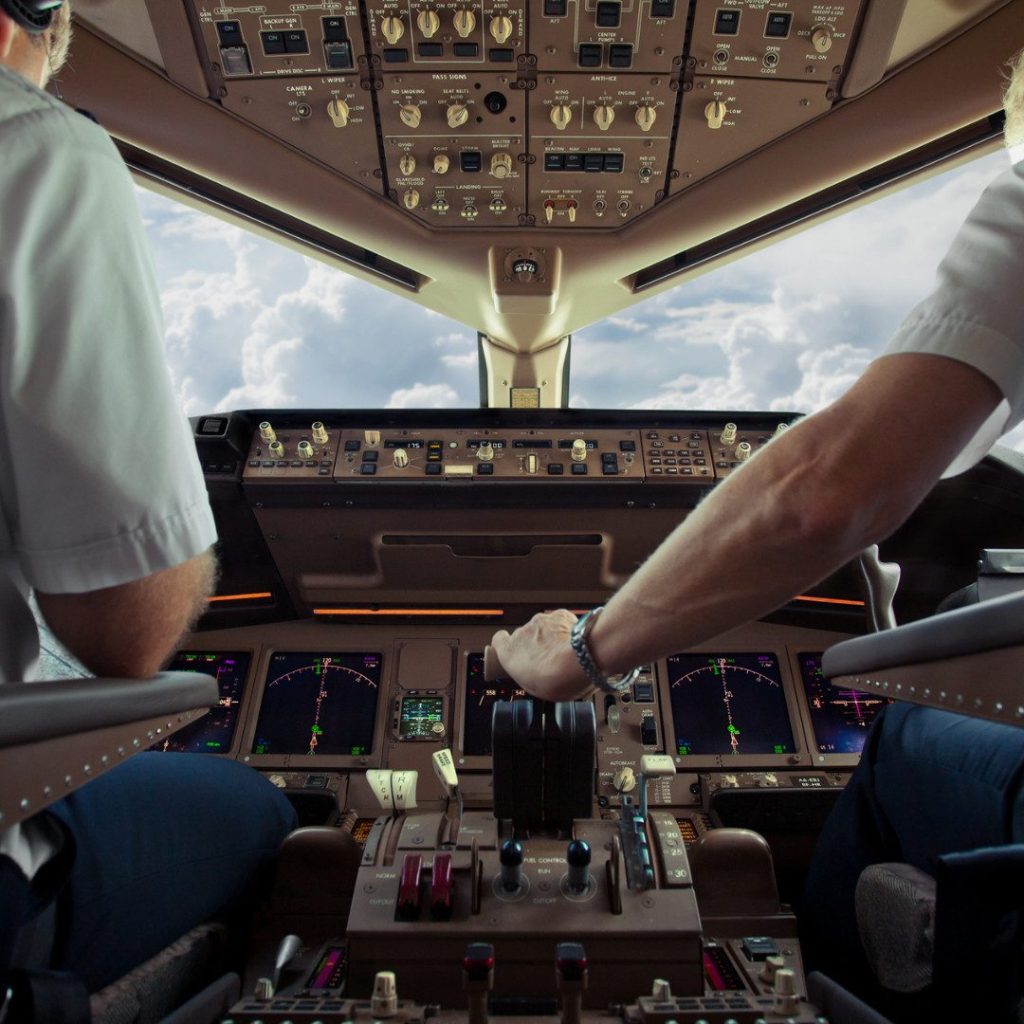
In a high-pressure aviation environment, leadership and teamwork are not optional extras – they are critical to flight safety. This blog explores how leadership in the cockpit has evolved from a top-down model to a shared, dynamic competency across the crew. It also highlights how TACET, currently deployed on Virtual and Mixed Reality platforms, enhances […]
Situational Awareness in Aviation: How Pilots Process Information Under Pressure

Summary Situational awareness is a vital yet hard-to-measure competency in aviation. Traditional training methods often rely on subjective judgement, but tools like TACET offer objective insights by tracking where pilots direct their attention during high-pressure scenarios. This data-driven approach supports evidence-based debriefs, strengthens CBTA alignment, and helps instructors identify performance trends and address skill gaps. […]
Pilot Communication Skills: Avoiding Misunderstandings in Critical Moments
Summary Effective communication is a core pilot competency that directly impacts flight safety. In high-pressure environments, misheard instructions or unclear exchanges can lead to serious incidents. Barriers like language differences, cognitive overload, and cultural factors make consistent communication challenging, even for experienced crews. TACET enhances pilot communication training by revealing hidden behaviours like where attention […]
How Eye-Tracking and VR Are Advancing Pilot Competency Training

Full-flight simulators remain a cornerstone of aviation training. However, their cost, logistical demands, and limited feedback mechanisms mean they can’t always offer a complete picture of a pilot’s real-world readiness – particularly when it comes to human factors. As the industry explores new ways to deliver high-quality, scalable, and evidence-based training, technologies such as eye-tracking […]